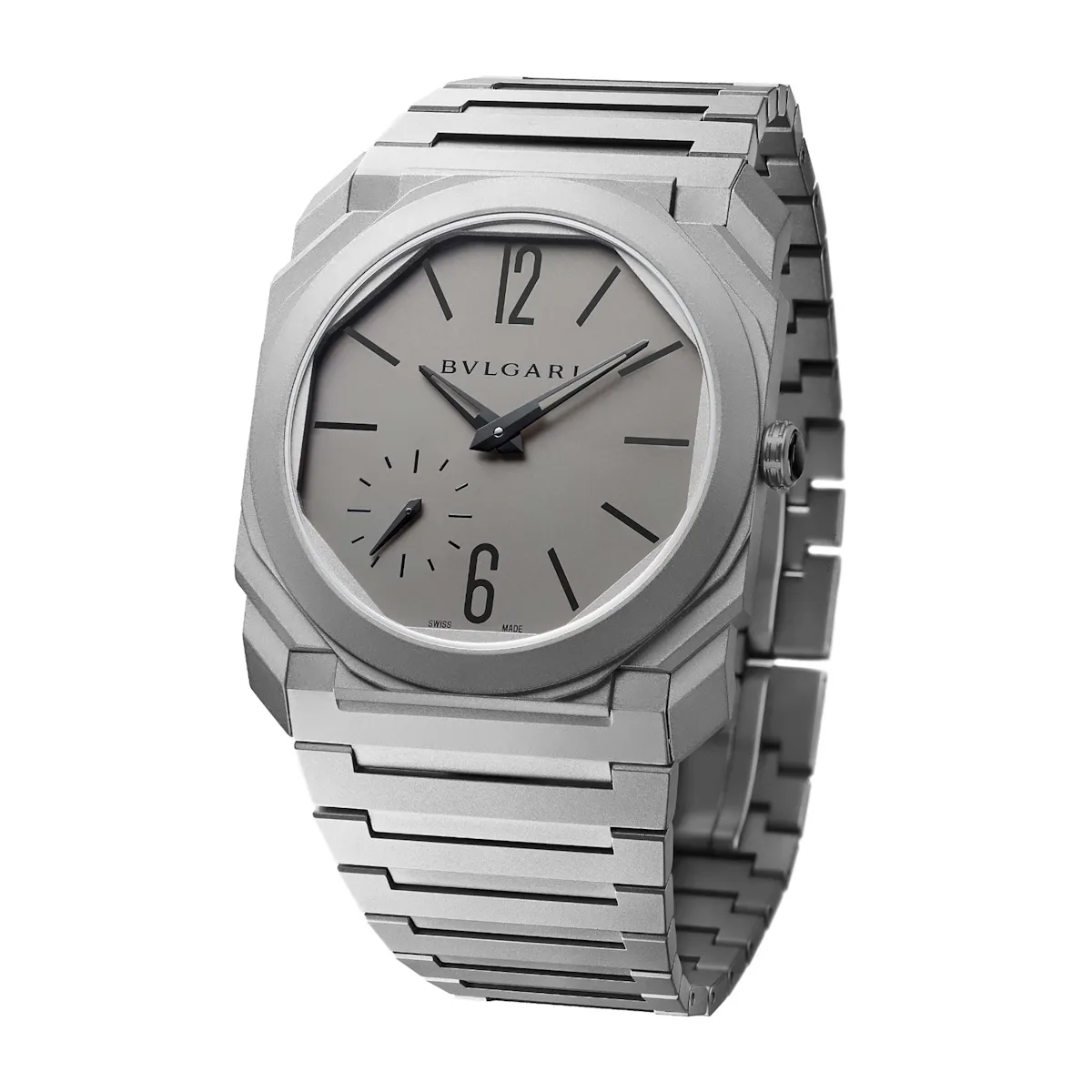
Most of us already own a watch that does everything: tells time to the millisecond, tracks our heart rate, buzzes when the boss emails. So why would anyone buy a mechanical watch that loses a few seconds a day and has to be wound?
Because a watch is the one piece of jewelry most people can wear anywhere, and people notice it. A handshake across a conference table, a dinner with in-laws, a client lunch: the watch on your wrist is quietly telling people what you care about. A single watch says one thing. A collection lets you say the right thing for the room.
A good collection isn't the most expensive one. It's the one that has an answer for every occasion and a story for every watch.
That is why diversity matters more than price. A rugged field watch for Saturday, a dress watch for a wedding, a diver for the beach, a chronograph with a history, and one or two oddballs that make people lean in and ask, "Wait, what is that?" The oddballs, the sleepers, are often the cheapest watches in the box and the ones that start the best conversations. I've marked them throughout.
Below is how I'd climb the ladder, from a $20 digital to the steel Rolex Daytona everybody wants. Watches from my own wish list are marked as such; the ones flagged Added are pieces I think fill a gap. Each one gets the honest pros and cons, plus a line you can use when someone asks about it.
 Photo: casio.com